In today’s hyper-connected world, businesses need smarter ways to connect with customers. Cloud based CRM systems for customer engagement are revolutionizing how companies build relationships, streamline communication, and boost satisfaction—all from a centralized, accessible platform.
What Are Cloud Based CRM Systems for Customer Engagement?

Cloud based CRM systems for customer engagement are digital platforms hosted on remote servers that allow businesses to manage interactions with current and potential customers. Unlike traditional on-premise software, these systems operate over the internet, offering real-time access from any device with connectivity. This shift has redefined customer relationship management by making it more agile, scalable, and data-driven.
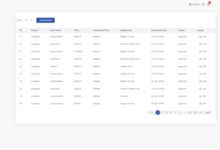

Definition and Core Functionality
At its core, a cloud based CRM system is a customer relationship management tool delivered as a service (SaaS) over the internet. It enables organizations to store customer data, track communications, automate marketing, manage sales pipelines, and provide customer support—all within a unified environment. The primary goal is to enhance customer engagement by ensuring every interaction is personalized, timely, and informed.
- Centralized customer database accessible from anywhere
- Automated workflows for marketing, sales, and service
- Real-time analytics and reporting capabilities
These systems eliminate data silos and ensure that every team member—from sales reps to support agents—has access to the same up-to-date information. This consistency is crucial for delivering a seamless customer experience.
Evolution from On-Premise to Cloud CRM
Historically, CRM systems were installed locally on company servers, requiring significant upfront investment in hardware, software licenses, and IT staff. These on-premise solutions were rigid, difficult to scale, and often outdated by the time they were fully deployed. The emergence of cloud computing changed this landscape dramatically.
According to Gartner, the global CRM software market has shifted overwhelmingly toward cloud deployment, with SaaS models now dominating enterprise adoption. This transition has democratized access to powerful CRM tools, allowing even small businesses to leverage enterprise-grade technology without massive capital expenditure.
“The move to cloud CRM is not just a technological upgrade—it’s a strategic shift toward agility, scalability, and customer-centricity.” — Gartner Research
Why Cloud Based CRM Systems for Customer Engagement Matter
Customer engagement is no longer just about responding to inquiries or closing sales. It’s about building lasting relationships through consistent, meaningful interactions across multiple touchpoints. Cloud based CRM systems for customer engagement empower businesses to do exactly that—by providing the tools needed to understand, anticipate, and respond to customer needs in real time.
cloud based crm systems for customer engagement – Cloud based crm systems for customer engagement menjadi aspek penting yang dibahas di sini.
Enhancing Customer Experience Across Channels
Modern customers interact with brands through email, social media, live chat, phone calls, and self-service portals. Managing these interactions manually is inefficient and error-prone. Cloud CRM systems integrate all communication channels into a single interface, allowing businesses to deliver a unified experience.
- Omnichannel support ensures consistency in messaging and tone
- Contextual history allows agents to pick up conversations seamlessly
- Automated routing directs inquiries to the right team or individual
For example, if a customer starts a chat on a website and later calls customer service, the agent can instantly see the previous interaction, avoiding repetition and frustration. This level of service builds trust and loyalty.
Driving Personalization at Scale
One of the most powerful advantages of cloud based CRM systems for customer engagement is their ability to personalize interactions at scale. By collecting and analyzing customer data—such as purchase history, browsing behavior, and communication preferences—these systems enable businesses to tailor content, offers, and support to individual needs.
A study by Salesforce found that 76% of customers expect companies to understand their unique needs and expectations. Cloud CRM platforms use AI and machine learning to segment audiences, predict behavior, and recommend next-best actions, making personalization not just possible but practical.
“Personalization is the new currency of customer loyalty. Cloud CRM makes it achievable for businesses of all sizes.” — Salesforce State of the Connected Customer Report
Top 7 Benefits of Cloud Based CRM Systems for Customer Engagement
The shift to cloud based CRM systems for customer engagement isn’t just a trend—it’s a strategic imperative. Below are seven compelling benefits that explain why thousands of organizations are making the switch.
1. Real-Time Data Access and Collaboration
With cloud CRM, customer data is stored in a centralized, secure database accessible from any location. Sales teams in different regions, remote support agents, and marketing departments can all view and update customer records in real time. This eliminates delays caused by outdated spreadsheets or disconnected systems.
- Team members can collaborate on deals, share notes, and assign tasks
- Managers gain instant visibility into performance metrics
- Customers receive faster responses due to improved internal coordination
This real-time access is especially valuable for global companies operating across time zones. It ensures that no opportunity is missed and every customer feels heard.
cloud based crm systems for customer engagement – Cloud based crm systems for customer engagement menjadi aspek penting yang dibahas di sini.
2. Scalability and Flexibility
Unlike on-premise systems that require costly hardware upgrades, cloud CRM platforms scale effortlessly. Whether you’re adding new users, expanding into new markets, or launching new products, the system grows with your business.
Most providers offer tiered pricing models based on features and user count, allowing businesses to start small and upgrade as needed. This flexibility is ideal for startups and growing enterprises alike.
- Add or remove users with just a few clicks
- Scale storage and computing resources automatically
- Deploy new modules (e.g., marketing automation, analytics) on demand
For instance, Zoho CRM allows businesses to scale from a single user to thousands without changing infrastructure.
3. Cost Efficiency and Lower TCO
Cloud based CRM systems for customer engagement significantly reduce the total cost of ownership (TCO). There’s no need to purchase servers, hire dedicated IT staff for maintenance, or pay for software updates. Instead, businesses pay a predictable monthly or annual subscription fee.
According to a report by Nucleus Research, companies using cloud CRM achieve an average return on investment (ROI) of $8.71 for every dollar spent. This is largely due to reduced IT overhead and faster deployment times.
- No upfront hardware costs
- Automatic software updates included
- Pay-as-you-go pricing models improve budgeting
“Cloud CRM delivers enterprise-level functionality at a fraction of the cost of traditional systems.” — Nucleus Research
4. Faster Deployment and Time-to-Value
Implementing an on-premise CRM could take months—or even years. In contrast, cloud CRM systems can be up and running in days or weeks. Many platforms offer pre-built templates, guided setup wizards, and integration with popular tools like Gmail, Outlook, and Slack.
This rapid deployment means businesses can start seeing value—such as improved lead tracking or better customer service—almost immediately. For example, HubSpot CRM offers a free version that can be set up in under an hour, making it one of the fastest-to-deploy solutions on the market.
cloud based crm systems for customer engagement – Cloud based crm systems for customer engagement menjadi aspek penting yang dibahas di sini.
- Minimal IT involvement required
- Self-service onboarding reduces training time
- Quick integration with existing tools accelerates adoption
5. Advanced Analytics and Business Intelligence
Cloud CRM systems come equipped with powerful analytics dashboards that provide insights into customer behavior, sales performance, and marketing effectiveness. These tools help businesses make data-driven decisions that improve engagement and drive growth.
For example, managers can track key performance indicators (KPIs) like conversion rates, customer lifetime value (CLV), and churn rate in real time. Predictive analytics can forecast sales trends or identify at-risk customers before they disengage.
- Customizable reports and visual dashboards
- AI-powered insights for proactive decision-making
- Integration with BI tools like Tableau or Power BI
Platforms like Microsoft Dynamics 365 combine CRM with AI-driven analytics to deliver actionable intelligence across departments.
6. Enhanced Security and Compliance
Many businesses hesitate to move sensitive customer data to the cloud due to security concerns. However, reputable cloud CRM providers invest heavily in cybersecurity, often offering better protection than most on-premise systems.
Top platforms use encryption (both in transit and at rest), multi-factor authentication, regular security audits, and compliance with global standards such as GDPR, HIPAA, and SOC 2. This ensures that customer data is not only secure but also compliant with regulatory requirements.
- Automatic backups prevent data loss
- Role-based access controls limit data exposure
- Continuous monitoring detects threats in real time
“Cloud providers have the resources and expertise to implement security measures that most internal IT teams cannot match.” — IBM Security Report
7. Seamless Integration with Other Business Tools
Cloud based CRM systems for customer engagement don’t operate in isolation. They integrate seamlessly with email marketing platforms, e-commerce systems, social media tools, ERP software, and more. This interconnected ecosystem ensures that data flows smoothly across departments, eliminating manual entry and reducing errors.
For example, integrating a CRM with a marketing automation tool like Mailchimp or a helpdesk platform like Zendesk allows for synchronized campaigns and unified customer service records.
cloud based crm systems for customer engagement – Cloud based crm systems for customer engagement menjadi aspek penting yang dibahas di sini.
- APIs and pre-built connectors simplify integration
- Zapier and Make (formerly Integromat) enable no-code workflows
- Unified data improves accuracy and efficiency
Such integrations create a holistic view of the customer journey, enabling more strategic engagement.
Key Features to Look for in Cloud Based CRM Systems for Customer Engagement
Not all CRM platforms are created equal. When evaluating cloud based CRM systems for customer engagement, certain features are essential for maximizing impact and ensuring long-term success.
Customer Data Management and 360-Degree View
A robust CRM should provide a complete, unified view of each customer. This includes contact information, interaction history, purchase records, support tickets, and preferences. The ability to segment customers based on behavior, demographics, or lifecycle stage is also critical.
- Centralized database with real-time updates
- Custom fields and tags for detailed profiling
- Lead and contact scoring to prioritize engagement
This 360-degree view enables personalized communication and helps teams anticipate customer needs before they arise.
Automation of Sales, Marketing, and Service Workflows
Automation is one of the most valuable aspects of cloud CRM. It reduces manual tasks, minimizes human error, and ensures consistency in customer interactions.
- Automated email campaigns based on triggers (e.g., sign-up, purchase)
- Task reminders and follow-up scheduling for sales reps
- Ticket routing and escalation rules in customer service
For example, when a lead downloads a whitepaper, the CRM can automatically add them to a nurture sequence, assign a sales rep, and log the activity—all without human intervention.
Mobile Accessibility and Offline Functionality
In today’s mobile-first world, access to CRM data on smartphones and tablets is non-negotiable. A good cloud CRM offers a dedicated mobile app with full functionality, including offline mode for areas with poor connectivity.
cloud based crm systems for customer engagement – Cloud based crm systems for customer engagement menjadi aspek penting yang dibahas di sini.
- Synchronize data once back online
- Log calls, meetings, and notes from the field
- Access dashboards and reports remotely
This mobility empowers sales teams to stay productive while on the go and ensures that customer service agents can respond quickly, regardless of location.
Leading Cloud Based CRM Systems for Customer Engagement in 2024
The market for cloud based CRM systems for customer engagement is highly competitive, with several platforms standing out for their features, usability, and innovation.
Salesforce Sales Cloud
Salesforce remains the industry leader, offering a comprehensive suite of tools for sales, service, marketing, and analytics. Its AI-powered Einstein platform delivers predictive insights, while its AppExchange marketplace provides thousands of integrations.
- Highly customizable with drag-and-drop tools
- Strong AI and machine learning capabilities
- Extensive third-party app ecosystem
Ideal for large enterprises and mid-sized businesses seeking scalability and depth.
HubSpot CRM
HubSpot is renowned for its user-friendly interface and free CRM tier. It excels in inbound marketing, sales automation, and customer service, making it a favorite among small to mid-sized businesses.
- Intuitive design with minimal learning curve
- Seamless integration with marketing and content tools
- Excellent customer support and educational resources
Visit HubSpot.com to explore its full suite.
Microsoft Dynamics 365
Dynamics 365 combines CRM and ERP functionalities, making it ideal for organizations already using Microsoft 365. It offers deep integration with Outlook, Teams, and Power BI, enabling seamless collaboration.
cloud based crm systems for customer engagement – Cloud based crm systems for customer engagement menjadi aspek penting yang dibahas di sini.
- Strong enterprise-grade security and compliance
- AI-driven insights and process automation
- Flexible deployment options (cloud, hybrid)
Best suited for businesses embedded in the Microsoft ecosystem.
How to Choose the Right Cloud CRM for Your Business
Selecting the right cloud based CRM system for customer engagement requires careful evaluation of your business needs, goals, and resources.
Assessing Business Needs and Objectives
Start by identifying your primary goals: Are you looking to improve sales efficiency? Enhance customer service? Scale marketing efforts? Your objectives will determine which features are most important.
- Define key performance indicators (KPIs) for success
- Map out customer journey touchpoints
- Identify pain points in current processes
This assessment ensures that the CRM you choose aligns with your strategic priorities.
Evaluating Scalability, Integration, and User Experience
Consider how the CRM will grow with your business. Can it handle increased data volume and user count? Does it integrate with your existing tools? Is the interface intuitive enough for widespread adoption?
- Test the platform with a free trial or demo
- Check API availability and integration partners
- Assess mobile app functionality and usability
User adoption is critical—no matter how powerful the system is, it won’t deliver value if employees resist using it.
Budgeting and Total Cost of Ownership (TCO)
While cloud CRM is generally cost-effective, pricing can vary widely based on features, users, and add-ons. Be sure to calculate the total cost over a 3-5 year period, including training, customization, and potential integration fees.
cloud based crm systems for customer engagement – Cloud based crm systems for customer engagement menjadi aspek penting yang dibahas di sini.
- Compare subscription models (per user/month vs. annual)
- Factor in hidden costs like data migration
- Negotiate contracts for volume discounts
A transparent pricing structure helps avoid unexpected expenses down the line.
Implementation Best Practices for Cloud Based CRM Systems
Even the best CRM platform will underperform without proper implementation. Follow these best practices to ensure a smooth rollout and maximize ROI.
Data Migration and System Integration
Migrating data from legacy systems to a new CRM requires careful planning. Cleanse duplicate records, standardize formats, and validate data integrity before import.
- Use CSV imports or automated migration tools
- Map fields correctly between old and new systems
- Perform test migrations before going live
Integration with email, calendar, and other tools should be configured early to ensure seamless workflows.
User Training and Change Management
Resistance to change is a common challenge. Provide comprehensive training, create user guides, and appoint internal champions to drive adoption.
- Offer role-specific training sessions
- Use gamification to encourage engagement
- Collect feedback and iterate on processes
Continuous support ensures that teams feel confident using the system.
Continuous Optimization and Performance Monitoring
CRM implementation is not a one-time project. Regularly review usage metrics, gather user feedback, and optimize workflows to keep the system aligned with business goals.
cloud based crm systems for customer engagement – Cloud based crm systems for customer engagement menjadi aspek penting yang dibahas di sini.
- Monitor login rates, data entry completeness, and feature usage
- Adjust automation rules based on performance
- Update dashboards and reports to reflect evolving KPIs
“The most successful CRM deployments are those that treat the system as a living, evolving asset.” — McKinsey & Company
Future Trends in Cloud Based CRM Systems for Customer Engagement
The future of cloud based CRM systems for customer engagement is being shaped by emerging technologies and changing customer expectations.
AI and Machine Learning Integration
Artificial intelligence is transforming CRM by enabling predictive analytics, chatbots, sentiment analysis, and automated recommendations. AI can identify high-value leads, suggest optimal response times, and even draft personalized emails.
- AI-powered virtual assistants handle routine inquiries
- Predictive lead scoring improves conversion rates
- Natural language processing enhances customer sentiment analysis
Platforms like Salesforce Einstein and Microsoft Copilot are already embedding AI deeply into their CRM offerings.
Hyper-Personalization and Predictive Engagement
Customers expect experiences tailored to their preferences and behaviors. Future CRM systems will leverage real-time data and AI to deliver hyper-personalized content, offers, and support—often before the customer even asks.
- Dynamic content generation based on user behavior
- Next-best-action recommendations for sales teams
- Proactive service alerts (e.g., renewal reminders, outage notifications)
This shift from reactive to predictive engagement will redefine customer loyalty.
Increased Focus on Privacy and Ethical Data Use
As data regulations tighten, CRM platforms must prioritize transparency, consent management, and ethical AI use. Customers are more aware of their data rights and expect brands to handle information responsibly.
- Granular consent controls and opt-in mechanisms
- Data anonymization and minimization practices
- Explainable AI to build trust in automated decisions
CRM vendors that lead in privacy and ethics will gain a competitive advantage.
cloud based crm systems for customer engagement – Cloud based crm systems for customer engagement menjadi aspek penting yang dibahas di sini.
What are cloud based CRM systems for customer engagement?
Cloud based CRM systems for customer engagement are software platforms hosted on remote servers that help businesses manage customer interactions, track communications, automate workflows, and analyze data—all through a web-based interface. They enable personalized, real-time engagement across sales, marketing, and service teams.
What are the main benefits of using a cloud CRM?
Key benefits include real-time data access, scalability, cost efficiency, faster deployment, advanced analytics, enhanced security, and seamless integration with other business tools. These advantages lead to improved customer satisfaction and operational efficiency.
How do I choose the right cloud CRM for my business?
Start by assessing your business goals, evaluating scalability and integration capabilities, and considering user experience and total cost of ownership. Test platforms with free trials, involve stakeholders in the decision, and ensure strong vendor support.
Are cloud CRM systems secure?
cloud based crm systems for customer engagement – Cloud based crm systems for customer engagement menjadi aspek penting yang dibahas di sini.
Yes, reputable cloud CRM providers implement robust security measures including encryption, multi-factor authentication, regular audits, and compliance with global standards like GDPR and HIPAA. In many cases, they offer better security than on-premise systems.
What is the future of cloud CRM?
The future includes deeper AI integration, hyper-personalization, predictive engagement, and stronger emphasis on data privacy and ethical AI. CRM systems will become more proactive, intelligent, and customer-centric.
Cloud based CRM systems for customer engagement are no longer optional—they are essential for any business aiming to thrive in a digital-first world. From improving customer experience and driving personalization to enabling data-driven decisions and seamless collaboration, these platforms offer transformative benefits. By choosing the right system, implementing it effectively, and staying ahead of emerging trends, organizations can build stronger relationships, increase loyalty, and achieve sustainable growth. The future of customer engagement is in the cloud—and the time to act is now.
Further Reading:
